Author of the suspense novel, The Ezekiel Project and Signs of Life: A Memoir in Poems
Biography
Christina Knowles lives in Salem, Oregon with her musician husband, Randy Knowles, their dog, Walter, and their cat, Pyewacket. Christina also writes novels, short stories, poetry, and screenplays.
It seems that everyone in America continues to be in an uproar about The Affordable Care Act or as it is derogatorily known, ObamaCare. Especially, now that the Republicans control Congress, there will surely be an attempt to overturn it once again, and if not repeal it, at least modify it as drastically as possible. I, personally, do not care for much of the healthcare law myself—as far as being affordable, it is a disaster. The free preventative care visits and the mandate against exclusion for pre-existing conditions has undeniably been the most beneficial aspect of this healthcare act, but overall, it does very little in addressing the problems of medical care today. We are in dire need of healthcare reform, and I believe that means instituting a single-payer national system and regulating healthcare costs.
Socialism, you cry? No more than free K-12 public education, which we are all, parents of school-age children or not, required to pay for through our tax dollars.
Yes, yes, I know, the government has made a shambles of the education system. Won’t they do the same to the healthcare industry? Yes, probably, if they are allowed to make the rules. Just like teachers should govern education, doctors, nurses, and other healthcare professionals should govern healthcare.
But first, let’s discuss the absolute necessity of having affordable healthcare. Of course, there are the homeless, jobless, and the working poor who frequent emergency rooms. Let’s get real for a moment. If a homeless man gets hit by a car and taken to the emergency room, he’s probably going to get treatment. The costs are then absorbed by the system, which passes it on to us in higher cost healthcare as well as draining an already in-debt Medicaid/Medicare system. We pay for it anyway. The whole idea behind everyone having coverage is that at least most people will be paying something of their share, and if they have access to preventative care, there will be less high-priced emergency room visits, saving money and lives in the long run.
The problem is that we can’t force people who cannot even pay their rent to buy expensive medical insurance, and the tax credit is a joke. How does that do them any good now?
But it’s not just the poor who have to worry. I know a woman who has worked her entire life in a professional but middle-income job. She has never been irresponsible with her money. She has a small savings and her house is more than half paid off. She drives an old car. She planned on retiring soon, and has put in more than enough years to do that, but after attending a retirement benefits meeting and looking into buying her own private health insurance, she now has to work years longer, just to get to the age to go on Medicare because she can’t afford to quit or be without insurance. The astronomical costs of healthcare are causing middle-income Americans to work until they die of old age. Is that what we really want?
The notion that a single-payer nationalized healthcare system means lower quality care is a myth if it is managed correctly. The idea that American healthcare is superior to any other first world country is also a myth. According to The Commonwealth Fund, America’s healthcare is nothing to brag about. They report that “given the absence of universal coverage—people in the U.S. go without needed health care because of cost more often than people do in the other countries. Americans were the most likely to say they had access problems related to cost” (Davis, et al).
They go on to say that the “U.S. ranks last overall with poor scores on all three indicators of healthy lives—mortality amenable to medical care, infant mortality, and healthy life expectancy at age 60. The U.S. and U.K. had much higher death rates in 2007 from conditions amenable to medical care than some of the other countries, e.g., rates 25 percent to 50 percent higher than Australia and Sweden. Overall, France, Sweden, and Switzerland rank highest on healthy lives” (Davis, et al).
Their final conclusion was that the “U.S. ranks last of 11 nations overall. Findings in this report confirm many of those in the earlier four editions of Mirror, Mirror, with the U.S. still ranking last on indicators of efficiency, equity, and outcomes” (Davis, et al).
One major problem with our “premiere” healthcare system is the superfluous promotion of expensive preventative testing suggested at specific ages as if we were automobiles ready for our 75,000 mile flush. An example of this is the colonoscopy. How many times have we heard that we must have this test as soon as we turn fifty and every ten years thereafter? According to John McDougall, MD of the McDougall Newsletter, a medical research publication, colonoscopies are an extremely dangerous procedure that is not even very accurate in detecting cancer and does not warrant the risks. The most common result of a colonoscopy is that it detects polyps, the polyps are then removed, and this is also a dangerous and useless procedure because removing precancerous polyps can spread the very cancer they are trying to prevent. He goes on to say that cancerous polyps make their appearance most commonly in people over fifty-five, and then usually take twenty years to metastasize. Do the math. You will probably die of something else before that anyway. But the real problem with our preventative testing is that there is a much cheaper test done on stool samples that is much more effective in detecting cancer and poses no risk to the patient. But that wouldn’t be as profitable, would it? And don’t even get me started on the greedy and irresponsible pharmaceutical companies peddling drugs with side effects much more dangerous than the maladies they seek to treat.
Then we have the opposite extreme–greedy insurance companies who put saving money above patients’ needs by denying necessary, life-saving preventative testing because it costs too much–and the costs are exorbitant. I have a family member with a rare form of aggressive cancer who absolutely requires a PET scan. The insurance company denied it as unnecessary because it costs upwards of $7000, so a CT scan would have to suffice. Well, this form of cancer spreads through the body quickly, and the microscopic cells cannot be detected on a CT scan. The scan could come back normal, and the doctor would have no idea where it spread until it grew into another tumor that the CT scan could see. Scientific progress is available, but even with insurance, we are denied it. But here, have a colonoscopy.
The other major problem with our healthcare system is blatant and obvious corruption in the industry in the form of Medicare fraud, millions of dollars each year paid for bogus claims and criminally inflated bills. This is another are where we need to focus our attention to lower healthcare costs.
An unintended consequence of this upheaval of the insurance industry has also been the shameful actions of employers, choosing to reduce full-time employees to part-time, choosing to stop covering employees altogether, or refusing coverage of family members, attempting to pass the costs on to their already underpaid and struggling-to-stay-in-the-middle-class workers while unethical insurance companies and medical and pharmaceutical companies continue to roll in the profits. And for some unfathomable reason, people blame the honest attempts of healthcare reform for the greed and lack of compassion of the medical industry, insurance companies, and employers. Obviously, these companies don’t care, and this is why we must go to a single-payer, coverage for all model. And if you think this will lower our already terrible quality of care, you need to do some more research on countries that have this model that score much higher than the United States in quality and effectiveness of care.
Regardless of how we choose to deal with it, health care must be reformed if we are to have any kind of quality of life or security in our old age. Instead of coming up with half-measures like The Affordable Care Act or dumping healthcare reform altogether, we need to apply ourselves to finding a realistic solution that does not cower before the dictates of the greedy for-profit corporate healthcare raiders. Our very way of life is threatened in a way that is more tangible than any terrorist threat to which we are so willing to forever indebt ourselves. Let’s drop the partisan B.S. and embrace the necessity of the situation. A professionally run single-payer healthcare system won’t make us any more Socialist than the public school system did.—Christina Knowles
Sources:
Davis, K. Stremikis, C. Schoen, and D. Squires, Mirror, Mirror on the Wall, 2014 Update: How the U.S. Health Care System Compares Internationally, The Commonwealth Fund, June 2014.
Last night was my monthly book club meeting. And by meeting, I mean getting together with great friends, sampling delicious cheeses and different kinds of wine, sitting down to a beautiful meal, catching up on our personal lives, teasing, laughing, participating in a deep philosophical conversation, and oh yeah, discussing the book we read. I love my book club. We meet once a month and sometimes in between club meetings to go to a movie, attend a lecture, go out for tea, or even spend a day at the hot springs or a weekend in a mountain resort. I have come to love my book club ladies. I look forward to seeing them, and I never miss a meeting, even if I didn’t finish the book. We are all teachers, or former teachers. My book club ladies are very intellectual and wise, and I have gained a lot of insight about life from them, but most of all, they have become the best kind of friends anyone could have. We all fit together so well even though we are quite diverse in many ways. We range from various denominations of Christian to Atheist to New-Ager, and we encompass all the political parties, including Socialist. I’ve often wondered why we work so well as friends, and I figured out we share some very important qualities besides a love of books. Here’s what I came up with:
We are open-minded. We not only listen, but we consider each other’s opinions and value our differences. We respect each other’s thoughts.
We share ourselves. We don’t just share the flattering things that most people would want others to know about themselves, but we really let each other see our true personalities—our quirks, our insecurities, our flaws, our confusion. We really know who each one of us is. I can tell my friends anything, and I do.
We like each other anyway. The more I know about my friends, the more I respect them and care about them. Knowing their problems, insecurities, their frustrations, and the mistakes they make, allows me to see things through their eyes and not get upset at them when we have disagreements or don’t see eye to eye—and we don’t. As I said, we have varying political, religious, and philosophical ideologies, but we completely accept each other anyway.
We can trust each other. This is a rare gift. We have been through a lot together and have been friends for many years. We’ve shared secrets, and our confidences have never been betrayed. Our friendship has been tested and passed with flying colors.
We listen to each other. Not only do we share ourselves, we are interested in what’s going on in the lives of each one of us. We take turns talking and make sure we all get a chance to tell about what is going on in our lives. We may offer advice, but we don’t judge. I always leave book club feeling completely accepted and listened to. In the past, I’ve had many friends who only want to talk and never listen. Even if I am having a serious problem, they turn it around and make it about them. Not these ladies. My book club friends are sensitive to knowing when someone needs a friendly ear.
We can count on each other. I know if I had a problem, they are only a phone call away—a ride to the airport, help moving, a place to stay; we aren’t fair-weather friends.
We are honest. We tell each other how it is and call each other out when necessary. I think I have been told, to my face, that I am full of shit by these ladies more than by any other people I have ever known. But that’s okay because we can say that to each other without getting angry, and then go on having a lovely evening. But we take each other seriously as well, so if one of us says we are full of shit, we take the time to consider whether or not they are right.
We challenge each other. Like I said, we are very different people. We have different views, different ways of looking at things, and different ways of doing things. We give advice and kick each other in the butt when necessary.
We encourage each other. Even though we call each other out when necessary, we are the first to offer words of encouragement, truthful compliments, and uplifting advice right along with our criticisms. Besides my husband, I feel like they are my most enthusiastic cheerleaders.
We inspire each other. I have often heard horror stories of women who constantly fight, are jealous, or in competition with each other. I am lucky to never have experienced this in my friendships (I’ve had many wonderful girl-friends throughout my life and am still friends with them today), and it couldn’t be further from the truth with these ladies. We support each other in every endeavor, share ideas, and help each other succeed. When I published my book, they were right there to share in my joy. They read it, helped me with editing, came to my book signing, and helped me promote it. Two of the women in my book club are writers as well. We read each other’s writing and do whatever we can to promote the success of all of us, whether it is a new job, a new relationship, or a writing project. We share genuinely in the joy of each other’s success.
We don’t have to be perfect for each other. We welcome each other into our homes even when they aren’t clean or we haven’t showered. We walk in without knocking. We are the kind of friends who have keys or garage codes to each other’s houses in case we show up before the owner arrives. We’ve stripped naked to change or take a dip in the hot springs without worrying about cellulite or being judged. We are comfortable with each other, and that is nice.
We don’t have to feel bad when we don’t see each other for a while. Many of my book club friends travel frequently. We may go a couple of months without seeing each other certain times of the year, but nothing changes. Whenever we get back together, it’s like we never left. We pick up right where we left off. We are not needy or demanding with each other. If we can make it to something, we do. If we can’t, we understand. No pressure.
But we are thoughtful. We bring each other thoughtful gifts for no reason sometimes. The other day, one of my friends brought me a vegan cookbook because she knows I am interested in changing my diet along those lines. When one of us goes on vacation, we often bring back a souvenir for the rest of us. We may show up at each other’s house with a bottle of wine or a homemade loaf of bread just because.
We make each other laugh. We always have the best time when we’re together, often giggling uncontrollably. Once two of us went to the movies and had no idea what we were seeing. It turned out to be a very stupid and vulgar teenage boy-type thing. Being teachers, we slid down in our seats, unable to control our laughter while trying desperately not to be seen by any of our students. We’ve laughed at each other and with each other, but I would feel equally comfortable crying with them. In fact we have while attending too many funerals of former students who died way too soon.
I am a little bit of an introvert. I’m somewhat of an intellectual, I’m a bookworm, and I’m way too serious. But this group of friends brings me out in a way for which I am so grateful. We never need to make meaningless small talk, which I despise. For an introvert, it is highly important to feel comfortable and accepted in order for me to be my natural self. I think this is why I never miss an opportunity to hang out with them if possible, while I turn down other social engagements all the time. The best kinds of friends are the kind that let you be completely you without worrying about it. And more than just putting up with you, they actually enjoy being with you. We should all have friends that make us more of who we really are instead of less, and I am so grateful for mine. And the books and wine are bonuses.—Christina Knowles
I have purposefully never read Fifty Shades of Grey, but I did watch the movie, 9 1/2 Weeks starring Mickey Rourke and Kim Basinger, which to my understanding is basically the same story of sexual manipulation and submission. Rourke’s character is even named John Gray. However, 9 1/2 Weeks alludes to the fact that this type of relationship is ultimately damaging to the parties involved, whereas Fifty Shades of Grey does not. I have seen the repulsive previews of the movie version of Fifty Shades of Grey and listened to my friends and co-workers rave about the books. The fact that this book series is popular with women is disturbing to me in so many ways. I am shocked and disgusted with the idea that women think this is sexy or romantic. In Christian Grey’s own words, “I don’t do romantic.” You’ve got that right, Christian; you certainly don’t.
However, I have heard numerous women say that the books are romantic. I believe these books portray the ideal relationship as dangerously abusive, patronizing, and dehumanizing, which should not be a romantic ideal for women, yet women are being brainwashed into thinking that being treated like a sex object, devoid of all identity and independence, is romantic as long as your partner is completely obsessed with you. This is a common idea in every Harlequin and Silhouette romance novel I ever had the misfortune of reading as a teenager, perpetuating the idea that obsession equals love; it is ludicrous. Yet many women believe this, and apparently not just as teenagers. If you were to ask them if they wanted a relationship characterized by submissiveness, low self-esteem, and having no identity of their own, they would say, “Of course not.” However, that is exactly the kind of relationship idealized in these books.
In Fifty Shades of Grey, Christian demands that Anastasia sign a contract to exercise a certain number of days each week, eat only what Christian tells her to eat, and take a form of birth control, so he doesn’t have to wear a condom during sex, implying that her physical appearance and not having a child with her are his greatest concerns. Does this say love to you? Romantic? How about sexy? Christian Grey is a sociopathic control freak, and Anastasia is in danger, not only physically, but also from losing all sense of self and independence. Christian does not care about Anastasia as a person at all. He basically owns her as a sexual object, and he doesn’t care about her feelings or her well-being. So is it the danger that is sexy? It is true that some people are sexually excited by danger, but is this ever considered healthy or loving? Something for women to daydream about? Sounds more like a male fantasy to me, a stereo-typical and unhealthy male’s fantasy. So why do women love it?
Surprisingly, some feminists find that Fifty Shades of Grey supports “traditional family values,” values which many women have worked hard to overcome, values advocating for the submissive role of women in marriage and the dominant aspects of male authority. According to feminist writer Carey Purcell of The Huffington Post, ideals promoted in Fifty Shades are not only damaging to women and relationships, but are archaic and patriarchal in nature, “Early marriage to one’s first sexual partner, having a baby even when saying neither of the partners is ready to be a parent, and submission to one’s husband as the head of the household are all aspects of life that feminists and progressive thinkers have worked to move beyond. Anastasia and Christian’s relationship is not romantic. It is abusive” (Purcell). In fact Christian’s first observation after saying his wedding vows is that now Anastasia unequivocally “belongs” to him, and he doesn’t mean this in the mutual or metaphorical sense. He is now free to require anything he desires from her. One might ask in the 21st century, when will we be done with oppressive gender roles for women? This, in my opinion, is just another patriarchal subversion designed to brainwash women into thinking that they want to be subjugated and objectified.
Of course, sadists are not all men, and masochists are not all women; however, for the purpose of the romance novel, this is usually the case. Sadomasochism is about annihilating self—the persons in submission have their identity and will annihilated. It is not about love, but killing the will of the other person. However, once the will is dead, the oppressor will often move on to a new victim, someone who still has a will to remove because this is where the pleasure for the sadist originates. The victim is left with the shattered pieces of her life to try and patch back together.
Many people will argue that role-playing and sadomasochism are just lifestyle choices and should be viewed as healthy among consenting adults. Ask anyone who has broken free of this lifestyle and see if this is how she sees it. But let’s see what the experts have to say. According to psychologist, Michael J. Formica, “In a relationship driven by power and control, rather than compassion and cooperation, one partner becomes ‘parentalized’ and the other ‘infantilized’. . . When the underlying dynamic shifts to one of compassion, cooperation and communication from one of push and pull, the cycle ceases, or at least recedes into the background, and the stage for authentic relationship is then set” (Formica). In other words, to have an authentic relationship consisting of compassion and cooperation, the cycle of sadomasochistic abuse must end.
Not only does this book series promote practices that destroy healthy relationships, but it stands to reason, that the mainstream acceptance of these ideas as “normal” will increase the danger of violence against women in the form of date rape, stalking, and even rape by strangers with the idea that women secretly desire this behavior, even if they don’t know it. So why are women attracted to this nonsense? I believe the only women who find these sadomasochistic scenarios sexy, are women who have either never been in a controlling relationship or are still caught in the destructive cycle of abuse.
One theory about the popularity of these types of relationships is that these women, like Anastasia, have “daddy” issues; they long for the love of a controlling parental figure because they have felt the lack of it at an early, developmental age. But I know too many women for which this is not the case. My theory is that we, as women, are conditioned from childhood to think our main source of self-esteem is derived from our attractiveness and appeal to men. If men find us irresistible, attractive, desirable, then we are worthy, and we will not end up alone, which we are taught to believe is the ultimate curse, and that we will find “true” love if our male counterparts are obsessed with us sexually. Magazines such as Cosmopolitan give women sexual advice to hold a man, reinforcing this as our primary value to the opposite sex. Women are taught that if a man is insatiably obsessed with them, this equals everlasting love. At the same time we are being taught this, men are being taught to be sexual animals even in greater degree than biology dictates. Men are taught to take what they want in order to be a man, they are told that women are attracted to “bad boys,” and that strength and violence are attractive. Being who we are is never enough, we must play games, dress up, role play, and be someone else, which inevitably lowers our self-esteem because we realize we are not good enough as we are.
Women are taught from youth that love means sacrifice and putting others first, even when it costs them their very lives and identities. And being willing to do anything sexually is the ultimate power over men. Women are considered desirable and valuable only because they are willing to do whatever a man desires sexually, even if it is degrading to them as people. This ideology turns the entire relationship into a “game,” while in reality, love and true intimacy require the absence of game-playing. For a healthy, successful relationship, a couple needs to know their communications, interactions, and sexual intimacy are authentic. Therefore, the type of “romance” in these novels is not only destructive to the psyche of both parties, but true intimacy and love can never exist within this framework.
I believe, once a woman experiences this type of relationship, she either mindlessly continues seeking this type of relationship as each ends in a vain attempt to succeed where the others failed, or if she is lucky, she will emerge from her conditioning, realize she is valuable just the way she is, and then she will no longer need a relationship to make her whole; she will know she is fine by herself, and will then only enter into a relationship if it is a healthy partnership, wherein both parties can be totally themselves with complete honesty and no unhealthy game-playing. When both people are healthy, each one caring for each other and themselves, neither person needs to control the other, and sex becomes just another way to communicate love, respect, and intimacy. It puts sex in its proper place and removes it as a means of subjugation and humiliation, which is a healthier and ultimately more satisfying place for it.
So, I refuse to participate in society’s patriarchal attempts to condition me to equate my value as a human being with the sexual gratification and the controlling desires of men. I am not a prude, but I sincerely believe women need to actively judge for themselves what it means to be loved or even desired in a relationship. Do you want to be re-made into an object of degrading fantasy, or do you want to be seen as worthy of love and respect the way you actually are, and have your sexual relationship be about expressing that value in the most intimate way? Don’t send the wrong message to men. Subjugation, humiliation, and physical control are not sexy or manly—and not what we want from them.—Christina Knowles
According to the Oxford English Dictionary, the definition of dignity is “the state or quality of being worthy of honor or respect.”
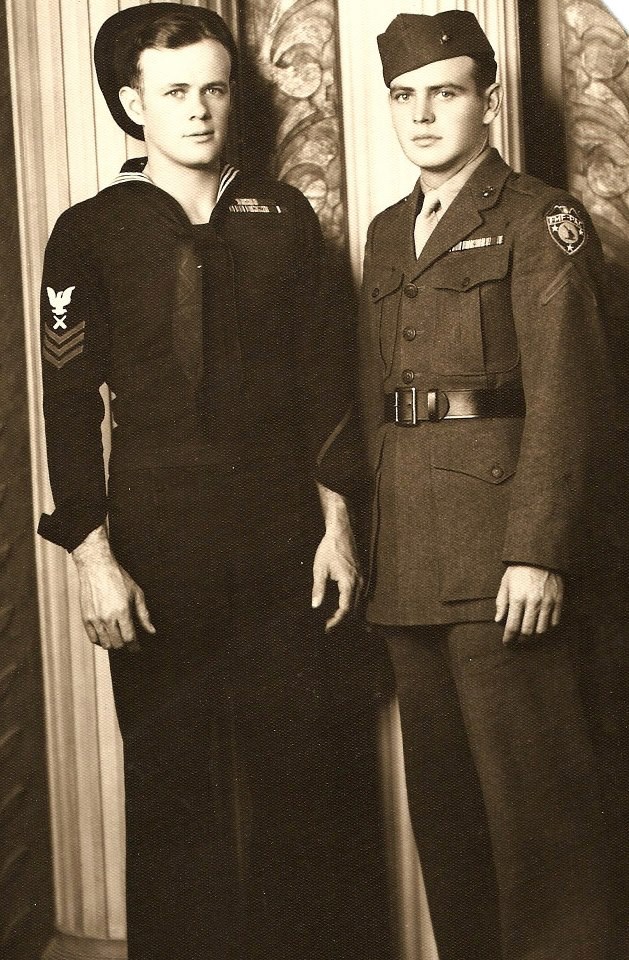
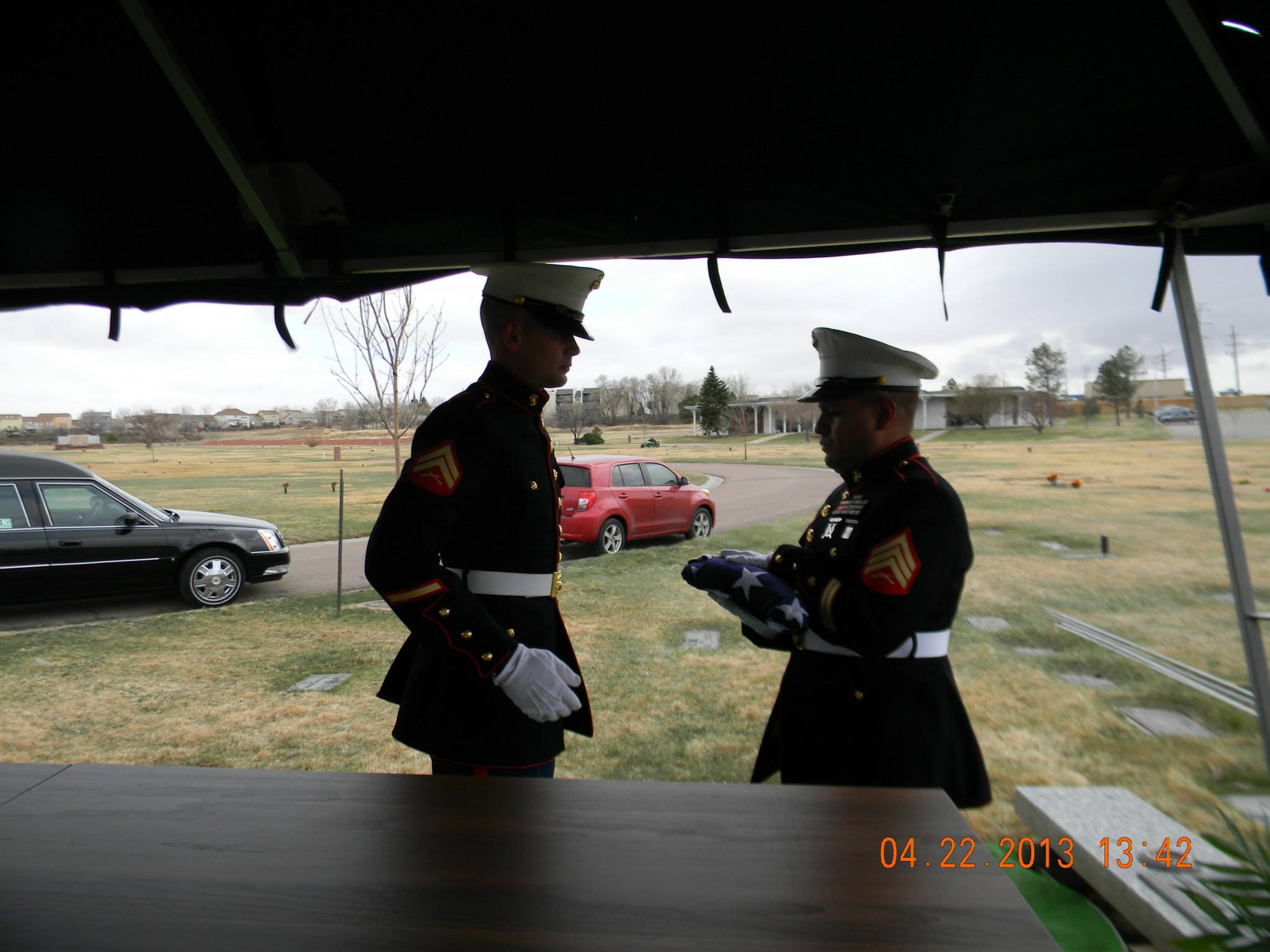
Death has been on my mind lately. We see it every day in the news, pandemics, violence, cancer, but mainly it’s been at the forefront of my mind recently because my mother is dying. She is less than a month away from being 83 years old, so it is not surprising that she suffers from a variety of maladies due to age. I lost my father about a year and a half ago, and honestly, most of us (my brothers and sisters) did not expect her to live much longer after she lost him. They were together 61 years, and she took it pretty hard. He was the love of her life.
My mother is a strong believer in God and follower of the Christian faith, so she fully expects to be reunited with my father in heaven when she dies. I’m not so sure I share this belief, but I’m glad she has it. I do believe, however, that each person’s death is extremely important, and can be one of the most beautiful things we ever experience in our lives.
First let me preface this with a clarification of the kind of death to which I refer. I’m talking about the kind of death that is expected, somewhat drawn out, and is actually positively anticipated. Tragedies that steal lives long before their time suddenly with no preparation, no chance for goodbyes; those are terribly catastrophic, or deaths which come far too soon in a life yet unlived, those who should have had many more years to come. I would also like to clarify that I am not suggesting that people should needlessly suffer. But for those people who know their deaths are imminent, are able to put their affairs in order, say goodbye to loved ones, and whose pain is managed, the knowing, and even the experience, can be a gift.
Of course, I can only imagine since I have never been diagnosed with a terminal illness, but I have witnessed death first-hand and found it beautiful and profound for both the dying and those who were present in the end. I had the privilege of helping my husband care for his dying mother in her last days, and it was indeed a privilege. We often hear stories of people who want to avoid prolonged death, who say they do not want to be a burden, endure the humiliation of being incapable of doing even the simplest things for themselves, or do not want to put their relatives through that kind of pain. I can understand fear, fear of pain, fear of the unknown, fear of what the afterlife, if there is one, holds, but facing these fears could be the most important thing we’ve ever done. However, I do not understand the common fears regarding the humiliation and the burdening of loved ones. It’s simply not true from my perspective.
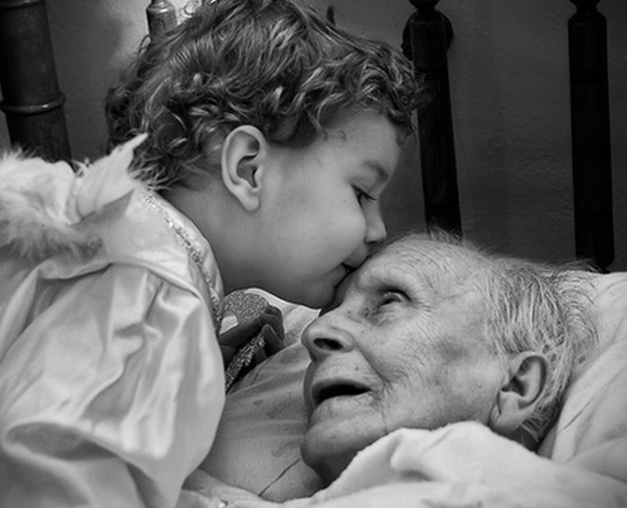
From what I have witnessed, knowing those who’ve died with loved ones nearby and from those who’ve cared for them, these fears are unwarranted. A dying loved one is not a burden, not in the slightest. It is hard, it is exhausting, it is painful, but it is also wonderful. Being present to hear those last words of wisdom or just words of love and to impart them yourself is precious beyond words. Caring for someone you love in the most intimate of ways, doing everything for them that they cannot do themselves is beautiful beyond comparison. There is nothing humiliating about it for the person receiving or for the person giving. Never in my life have I been so close to my mother as when I bathed her, never have I been so close to my father as when I spoon-fed him his dinner, never have I felt so much love flowing from me to another person through a simple act. The smile on the face of my mother as I bathed her, the smile on the face of my father as I fed him, tell me they felt the same. I wouldn’t trade these experiences for the world.
wordsrhymesandrhythm.files.wordpress
And then there are the words. For days before my father died, my whole family sat by his side, hanging on his every word, knowing whatever he said in those moments, knowing he could go at any moment, would likely be the most important things he would ever say. He spoke to each of us individually, saying what he loved about us, calling us by our special names. We asked him questions, things we knew we’d never have another chance to ask. Moments of incoherence happened, yes, but those about to die have surprising moments of clarity as well. I am honored to have been there for his last days.
My mother has had many close calls, so we are always hesitant to start the process of acceptance. Right now she has congestive heart failure; her heart rate drops to 20 and goes back up. She is refusing any care except comfort measures. She is ready to go be with her love. Knowing it can be any time is a gift. We don’t waste a moment. Sitting by her side, I ask her to tell me the stories of her childhood, to clarify things for me so I can have an accurate memory of her life. She enjoys this as well, recounting a life well-lived. Mostly I get to hold her hand and talk about how much I love her and how she has always been the best mother anyone could have.
I think death can even be this way for younger people with terminal illness although it is infinitely more unfair and tragic. I also know what it’s like to lose someone long before they should go, and what it’s like to be left behind. I know what it feels like to grieve so long it seems you’ll never stop. But knowing when, or approximately when we will die, makes us zero in on what’s important; it magnifies every moment, it makes every word precious and every touch significant.
Brittany Maynard, recently in the news for choosing a date to end her life to avoid a long drawn out and painful death in hospice care, says she would rather “die with dignity.” Although I support her right to make the choice and understand wanting to avoid the worst, I think it is a mistake. There is nothing undignified about dying surrounded by loved ones in hospice care. Her loved ones don’t care about her “singed off hair” and they would be able to keep her comfortable. However, I do believe it is her choice.
This may sound strange coming from someone who isn’t even sure if there is an afterlife, but I know if there is a heaven, my mother is surely going there, and if there isn’t, she’ll never know, so she won’t be disappointed. As for me, I don’t hold out hope to see my loved ones again after this life, which is all the more reason why I cherish every moment with them and treasure the privilege of helping to care for them; witnessing the so-called undignified—it couldn’t be further from the truth. And hopefully when I am very old and my death is just around the bend, I will remember that the very fact that there is someone willing to care for me through till the end is the very definition of dignity, and I will participate in every profound moment of my dying experience without guilt or reservation.—Christina Knowles
















 Disturbing the Universe
Recent Comments